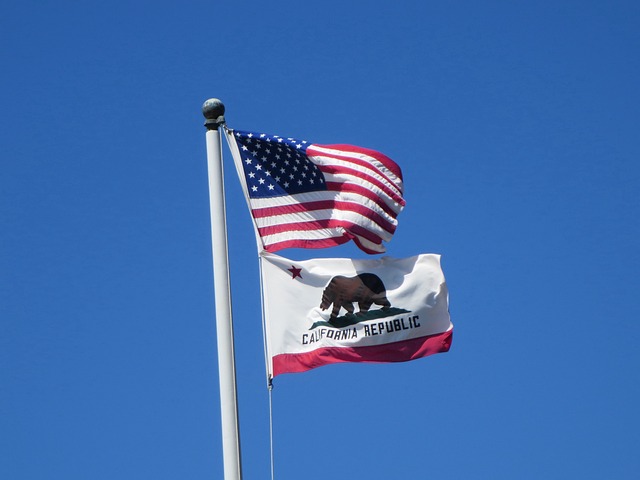
The distress american flag symbolizes freedom's journey through history, evolving from Revolutionary War designs to today's collectible art. Its faded hues and worn edges evoke emotional connections to America's past, making it a meaningful gift and decor piece. Authentic vintage flags foster conversations about national identity and heritage. This trend, gaining popularity in contemporary spaces, must be approached sensitively, respecting the flag's symbolism. The distress american flag has also become a global symbol for artistic expression and social activism, transcending borders with diverse cultural interpretations.
The symbol of freedom holds profound significance in shaping our national identity and fostering a sense of unity among Americans. However, the distress American flag has become a potent representation of turmoil and division within our society. This article delves into the complex interplay between symbols, their interpretations, and their role in reflecting and influencing societal changes. We explore how the distressed flag can be perceived as both a powerful statement of resistance or a source of controversy, offering insights to navigate this delicate landscape with nuance and understanding.
- Historical Context: Evolution of Freedom's Emblem
- American Flag: A Symbol of National Identity
- Distress in Design: Exploring the American Flag's Transformation
- Global Impact: Freedom's Message Across Borders
Historical Context: Evolution of Freedom's Emblem

The symbol of freedom has evolved over centuries, reflecting societal shifts, political revolutions, and cultural changes. One of the most enduring and recognizable emblems is the American flag, which has served as a beacon of liberty and democracy worldwide. Historically, flags have played a pivotal role in rallying citizens, fostering a sense of unity, and representing the ideals of a nation. The distress american flag, with its faded hues and worn edges, encapsulates this legacy, becoming an iconic representation of freedom's struggle and triumph.
As time progressed, the design of freedom's emblem transformed, adapting to the changing times. For instance, during the American Revolutionary War, the original flags featured simple designs with bold colors, symbolizing rebellion against colonial rule. Over the years, these faded freedom keepers evolved into more elaborate creations, often incorporating stars and stripes to represent the growing number of states within the Union. Today, vintage Americana memorabilia enthusiasts value these distressed flag items as cherished collectibles, reflecting not just historical significance but also a tangible connection to the past.
The appeal of a distressed flag extends beyond its historical context; it serves as a poignant gift idea for various occasions. These vintage-inspired pieces can evoke strong emotions and spark conversations about liberty, heritage, and personal freedom. Whether presented as a meaningful keepsake or adorning a home's walls, a well-crafted distressed flag captures the essence of Americana and the enduring spirit of freedom it represents. For collectors and history aficionados alike, these items offer a unique glimpse into the nation's journey, making them valuable additions to any collection showcasing the rich tapestry of American history and its commitment to liberty.
American Flag: A Symbol of National Identity
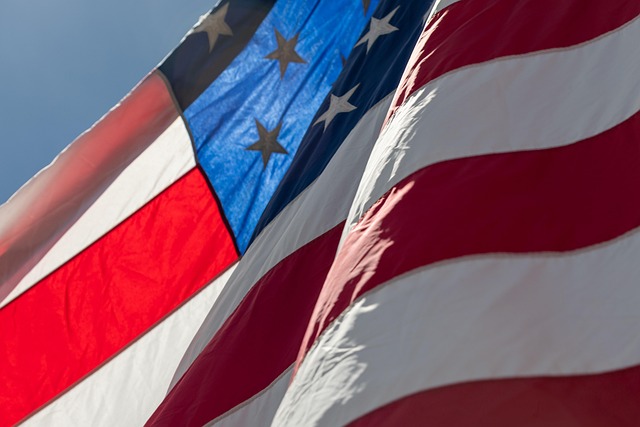
The American Flag stands as an iconic symbol of freedom and national identity, holding profound significance for Americans across generations. Its design, with its fifty stars representing each state and its alternating red and white stripes symbolizing the nation's courage and resilience, is instantly recognizable worldwide. Beyond its political connotation, the flag has permeated cultural and social fabric, serving as a source of pride, inspiration, and unity.
An antique star-spangled memento or a retro Americana decor flag can significantly enhance one's space, evoking a sense of history and patriotism. Weathered banners, often displayed with pride on homes, schools, and public buildings, are not just decorative; they are testament to the enduring spirit of freedom the flag represents. These weathered flags, through their faded colors and worn fabric, tell tales of past struggles, victories, and celebrations, serving as tangible links to our collective heritage.
When incorporating the American Flag into your decor or public display, authenticity is key. Distressed american flag artwork should accurately reflect the flag's historical nuances, from period-specific stitching to subtle signs of wear that wouldn't be visible on a brand-new flag. This attention to detail not only ensures a more meaningful representation but also pays respect to our nation's rich history. Incorporating these flags into homes, businesses, or public spaces can foster a sense of community and encourage conversations about the values they embody—values that continue to shape America's identity.
Distress in Design: Exploring the American Flag's Transformation

The American Flag, a timeless symbol of freedom and democracy, has evolved over centuries, reflecting the nation's history and values. Among its various transformations, the concept of incorporating distress into flag design stands out as both an artistic statement and a reflection of societal shifts. Distress in design, often characterized by frayed edges, tattered corners, or faded colors, adds a layer of complexity and emotional depth to what is traditionally seen as a symbol of unity. This deliberate aging and damage are not mere aesthetic choices; they hold historical significance, evoking memories of battles fought, struggles endured, and the enduring spirit of resilience.
The distressed American Flag has found its place in contemporary decor, transforming from a purely symbolic representation to a sought-after design element. Websites like have become popular destinations for individuals looking to incorporate this unique piece into their spaces. The appeal lies not only in its aesthetic but also in the conversation it sparks—a tangible reminder of historical events and the ongoing struggle for freedom. For instance, a tattered flag can serve as a powerful centerpiece in a living room or office, inviting conversations about patriotism, history, and the diverse interpretations of national identity. This trend reflects a broader cultural shift where artifacts once confined to museums are now celebrated as dynamic elements in everyday life, fostering a deeper connection to our collective past.
While the distressed flag decor trend is gaining traction, it's essential to approach this practice with sensitivity and historical context. The American Flag represents the values and sacrifices of countless individuals throughout history. Any artistic interpretation should respect the symbolism and avoid trivializing its significance. Websites like Ultimate Flags, with their diverse collection of flags, offer a responsible approach by providing high-quality, well-crafted pieces that balance aesthetic appeal with historical accuracy. Ultimately, the distressed American Flag serves as a powerful reminder that freedom is not static but an ever-evolving concept, shaped by our collective actions and interpretations.
Global Impact: Freedom's Message Across Borders
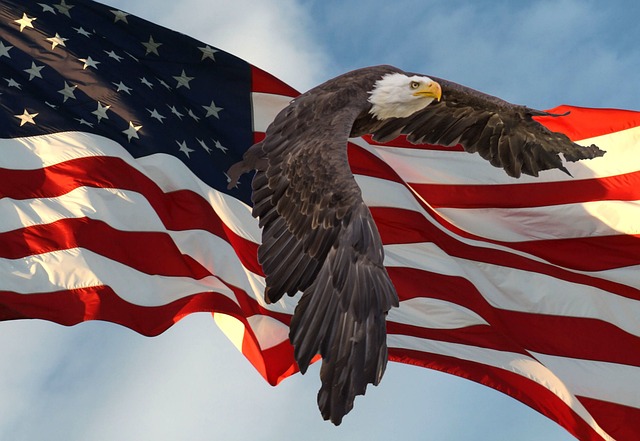
The symbol of freedom, perhaps most universally recognized as the distress American flag, has transcended borders and cultures, becoming a powerful global message of defiance against oppression and tyranny. This iconic image, often seen in various forms of damaged flag art, carries a profound narrative that resonates across nations. The natural evolution of this symbol into unique artistic expressions highlights its enduring impact on fostering a sense of freedom and resilience worldwide.
Artistic representations of damaged flags, while seemingly somber, have become powerful tools for social commentary and political activism. For instance, artists have created stunning pieces by meticulously tearing or burning the flag, only to assemble it in unconventional ways, symbolizing the struggle for freedom that knows no bounds. These unique creations often grace the walls of high-end stores like Ultimate Flags, reflecting a growing trend in the art world. By transforming a symbol once associated with national pride into a catalyst for change, these artists spark conversations and encourage critical thinking about the meaning of liberty.
The global reach of freedom's message is evident in various cultural interpretations of the distress flag. From street art in urban centers to indigenous tapestry designs, the image has been adopted and adapted, reflecting local narratives of struggle and victory. For example, some indigenous communities have incorporated damaged flag motifs into their traditional artistry, serving as a reminder of their ongoing fight for sovereignty and self-determination. This cultural exchange not only enriches the global conversation on freedom but also underscores the universal human desire to preserve and celebrate one's identity.
To harness the power of this symbolic representation, individuals and organizations can explore various channels. Supporting online stores specializing in such merchandise, like Ultimate Flags, can help fund artistic endeavors while making these powerful symbols accessible. Additionally, engaging in discussions that explore the diverse interpretations of freedom across cultures fosters a deeper understanding and appreciation for global solidarity. By recognizing the universal appeal of this symbol, we can encourage its positive impact on fostering a global community united by the pursuit of liberty.
The article has taken an in-depth look at the American Flag as a symbol of freedom, tracing its historical evolution from colonial times to its current status as a global icon. We've explored how the flag's design, particularly the distress american flag styles, has evolved to reflect changing sentiments and experiences. Key insights include the flag's role in fostering national identity, its ability to convey complex messages of hope and struggle, and its impact on international audiences. By examining these aspects, readers gain a deeper understanding of freedom's multifaceted nature and the enduring power of symbols in shaping perceptions and inspiring action. This knowledge can inform efforts to preserve and interpret historical artifacts, design meaningful public spaces, and promote universal values of liberty and justice both domestically and abroad.