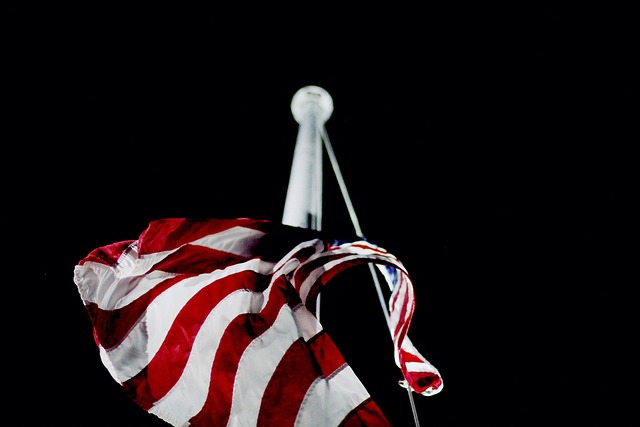
Vintage distressed American flags hold historical value for collectors. Their evolution reflects national identity shifts, with natural distressing techniques enhancing their authenticity. Preserving these flags requires archival materials and protection from sunlight. Distinguishing authentic vintage flags from replicas is crucial using historical knowledge and inspection. Restoring them involves creative blending of preservation and distressing methods. These flags evoke strong cultural significance, serving as tangible links to history and promoting national identity. Their popularity drives demand for genuine pieces, contributing to cultural awareness and heritage preservation.
In a world where symbolism holds deep cultural significance, vintage patriotic symbols continue to evoke a sense of pride and heritage. The American flag, a timeless icon, has undergone various transformations over the years, reflecting societal changes and preserving historical narratives. However, the distressing of the American flag, though often seen as a sign of disrespect, can also be a creative means to preserve its legacy in unique artistic forms. This article delves into the art and history behind vintage patriotic symbols, specifically exploring how the distressed American flag has evolved from a symbol of protest to a coveted collector's item. By examining these artifacts, we gain insight into the complex relationship between patriotism, preservation, and artistic expression.
- Understanding Vintage Patriotic Symbols: A Historical Perspective
- The Evolution of American Flag Design: Distress & Preservation Techniques
- Identifying Authentic Antique Emblems: Expert Tips & Tricks
- Restoring Old Patriotic Artifacts: Natural Distressing Methods for Flags
- Exploring Cultural Significance: The Role of Vintage Symbols Today
Understanding Vintage Patriotic Symbols: A Historical Perspective

Vintage patriotic symbols hold a unique allure for collectors and history enthusiasts alike, offering a window into the past and the evolution of national identity. Among these, the distress American flag stands out as a symbol rich in historical significance. The natural wear and tear of these flags over time has transformed them into treasured tattered history pieces, sought after by those who appreciate the sentimental value they carry.
The concept of using distressed flags as patriotic symbols dates back to the very beginnings of nations, where banners and standards were often designed to instill fear in enemies while inspiring loyalty among citizens. As these flags aged, so did their symbolism—from battlefields to parades, each tear, stain, and frayed edge telling a story of resilience and sacrifice. Today, sites like Ultimate Flags cater to this niche market, offering not just decorative items but pieces of living history. For instance, an authentic vintage American flag, naturally distressed over decades, can be a powerful centerpiece in any home or museum, evoking feelings of pride and remembrance.
However, collecting vintage patriotic symbols comes with its considerations. Authenticity is paramount; some dealers may artificially age flags to increase their value. Therefore, buyers should exercise due diligence, ensuring pieces are genuinely aged through natural means. Additionally, preserving these delicate artifacts requires specific care; improper storage or display can lead to further damage. Experts recommend using archival materials and displaying them out of direct sunlight. By following these guidelines, collectors can own a piece of history while contributing to the preservation of these cherished patriotic symbols.
The Evolution of American Flag Design: Distress & Preservation Techniques
The evolution of American Flag design is a fascinating journey reflecting the nation's history and cultural shifts. Among these changes, techniques for distressing and preserving vintage flags have emerged as crucial elements in maintaining their authenticity and aesthetic appeal. This process involves carefully mimicking the natural aging of the stars and stripes, creating a sense of historical context that enhances their value for collectors.
Distressing an American Flag, particularly those deemed collector items, requires a nuanced approach. Techniques such as fading, cracking, and subtle tears aim to replicate the effects of time without compromising the flag's integrity. For instance, aged stars and stripes can be achieved through controlled exposure to sunlight, heat, or specialized chemicals, each method offering distinct results. Vintage flag collectors often prefer natural distressing techniques, allowing the fabric to tell its own story over years of careful preservation.
Preserving these vintage flags demands a delicate balance between maintaining their historical accuracy and ensuring longevity. Restorers must carefully consider the age and condition of the flag before selecting appropriate methods. For example, aged flags with frayed edges or faded colors may require more aggressive yet subtle distressing to restore their original charm while preserving their value. Regular cleaning, matting, and framing under UV-protective glass are essential practices for safeguarding these patriotic symbols from environmental damage and ensuring they remain in circulation as cherished heirlooms for generations to come.
Identifying Authentic Antique Emblems: Expert Tips & Tricks
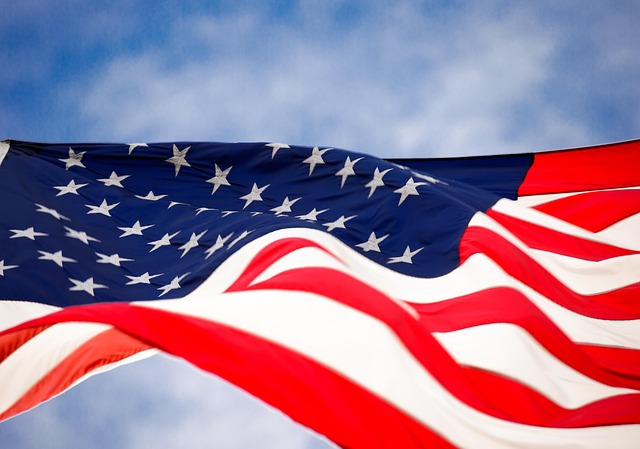
Distinguishing authentic antique emblems from modern reproductions is a meticulous task, especially when it comes to vintage patriotic symbols like the American flag. The market for historic flags has seen a surge in recent years, with collectors and enthusiasts seeking unique pieces of history. However, not all items on offer are genuine antiques; many replicas masquerade as the real deal. To ensure you acquire a true piece of historical significance, it's crucial to develop an eye for authenticating antique emblems.
One of the most effective methods is to examine the distressing and wear patterns on the flag. A genuine vintage flag will often exhibit natural aging, with faded colors, frayed edges, and areas of loss or repair. For instance, a truly antique American flag might show signs of weathering, such as a distressed star pattern or a slightly uneven edge due to years of flying in different climates. Reproductions, on the other hand, typically display consistent wear across the entire flag, which may be too uniform to appear authentic. Sites like Ultimate Flags, known for their extensive collection and expertise, offer resources for collectors to learn about these subtleties.
Additionally, researching the history of a specific design and brand can provide valuable insights. Established brands in the flag industry, such as Ultimate Flags, often have detailed archives and documentation, enabling them to verify the authenticity of their products. Look for unique design elements that align with historical records, including subtle variations in patterns or construction methods. For example, an antique American flag might feature a specific style of stitching or a particular type of fabric that was used during a certain era. By combining knowledge of historical flags and meticulous inspection, collectors can acquire unique damaged flag art from sources like Ultimate Flags, ensuring they own a genuine antique piece with character and story.
Restoring Old Patriotic Artifacts: Natural Distressing Methods for Flags
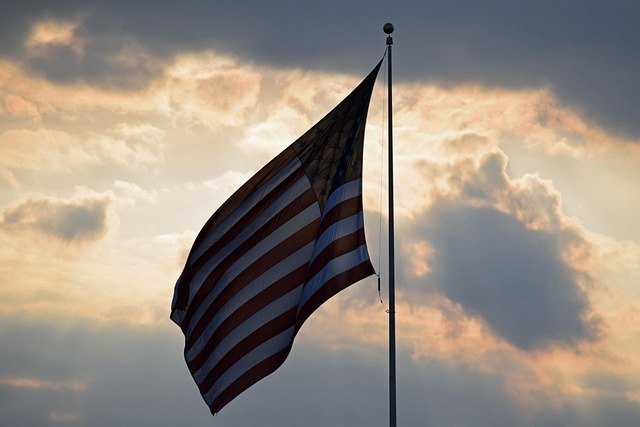
Restoring vintage patriotic artifacts, particularly American flags, is an art that combines historical preservation with creative technique. When aiming to revitalize a damaged flag, distressing methods can breathe new life into these rustic national pride emblems, transforming them into unique pieces of decorative art. One natural and effective approach to this process is the deliberate distressing of the fabric, enhancing its aged appearance while preserving its significance.
The concept of distressing an American flag naturally involves various techniques such as fraying the edges, creating subtle tears, or strategically fading colors, all of which contribute to a rustic red, white, and blue aesthetic. This method is not merely about making the flag look old; it's a careful restoration process that tells a story of its journey through time while celebrating our national heritage. For instance, a vintage flag with subtle distressing can evoke images of a bygone era, perhaps from an era of political or social significance, adding depth to its display as a decorative piece.
Practical tips for achieving this include using natural materials like salt and vinegar to accelerate the aging process. Soaking the flag in a mixture of these substances can encourage color fading and fabric softening, resulting in a distinctive, time-worn appearance. Additionally, tools such as wire brushes or fine sandpaper can be employed gently to create texture and unravel fabric fibers, mimicking the effects of outdoor exposure over years. It's crucial, however, to exercise caution during this process to avoid unnecessary damage.
Expert restorers also recommend experimenting with different distressing techniques for each project, depending on the desired outcome. Some flags might benefit from a more subtle approach, focusing on light wear and minor repairs, while others may be transformed into abstract works of art through more aggressive yet calculated damage. The end result is a unique piece of damaged flag art that reflects rustic national pride, adding character to any space where it's displayed.
Exploring Cultural Significance: The Role of Vintage Symbols Today
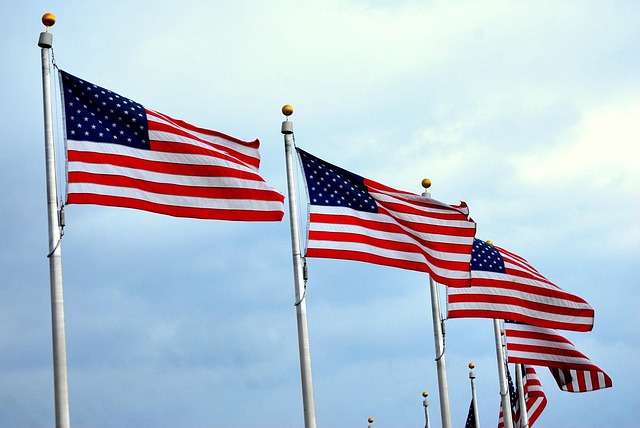
Vintage patriotic symbols, such as a distressed American flag naturally aged to resemble a weathered fabric star-spangled banner, hold profound cultural significance in today's society. These symbols serve as tangible connections to our nation's history and heritage, evoking strong emotions and memories among those who have served, lived, or visited places like Ultimate Flags for flags, where they can purchase these timeless pieces. The old tattered US flag, often depicted with faded stars and stripes, represents more than just a piece of cloth; it becomes a symbol of resilience, sacrifice, and the enduring spirit of America.
In recent years, there has been a resurgence in interest for these vintage flags, not only as decorative items but also as meaningful relics. They adorn homes, businesses, and public spaces, each with its own unique story to tell. For instance, an antique flag that once flew proudly over a battlefield can serve as a powerful reminder of the sacrifices made by our forefathers, fostering a sense of patriotism and appreciation for freedom. Moreover, these vintage symbols often spark conversations about history, encouraging communities to come together and share stories that might otherwise remain untold.
The role of vintage patriotic symbols today extends beyond mere aesthetics; they actively contribute to cultural preservation and national identity. They serve as educational tools, reminding us of our past and shaping our future. Whether displayed in a museum, featured in an art exhibition, or hung proudly in a classroom, these distressed flags naturally aged to resemble a weathered fabric star-spangled banner can inspire curiosity, promote understanding, and foster a deeper connection to our shared heritage. By embracing and celebrating these symbols, we not only honor the past but also ensure that the values they represent continue to resonate in the present and future generations.
By delving into the historical context of vintage patriotic symbols, understanding their evolution, and mastering identification techniques, readers have gained invaluable knowledge. The article highlights the importance of preserving these artifacts, including the American flag, through natural distressing methods for authenticity. Exploring cultural significance reminds us that these symbols continue to resonate today, fostering a deeper connection to our past. Key takeaways include the value of historical context in appreciation, the necessity of expert guidance for authentic collection, and the art of restoring flags naturally to preserve their integrity. This comprehensive guide equips readers with practical steps to navigate the world of vintage patriotic symbols, ensuring their continued relevance and appreciation.