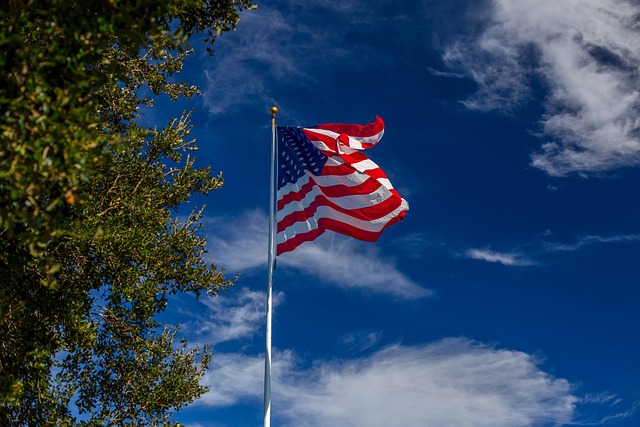
The American , a symbol of national identity, has evolved through historical trials, with each element representing growth and resilience. Distress american flag art incorporates natural wear and tear to honor its history and foster cultural connection. Meticulous techniques like hand stitching or bleaching create nuanced effects. Artisans craft unique flags with deliberate imperfections. Respectful use in decor adds vintage charm and sparks historical conversations, following guidelines for balanced integration.
The flag, a powerful symbol of national identity and pride, has long been a subject of admiration and respect. However, the inappropriate handling or disrespectful display of the American Flag can cause profound distress among citizens who hold it in high regard. This article delves into the issue of flag disrespect, exploring its causes, consequences, and offering a comprehensive solution to ensure the flag is treated with the honor it deserves. By understanding the significance of proper flag etiquette, we can foster a culture that values this iconic symbol and mitigates the distress it may cause when mishandled.
- Understanding the Symbolism: Flag's Historical Meaning
- The Process: Distressing for Authentic Look
- Respectful Usage: Guidelines and Best Practices
Understanding the Symbolism: Flag's Historical Meaning

The flag, a powerful symbol of respect and national identity, has evolved over centuries, carrying with it a rich historical narrative. When we gaze upon the American flag, often displayed in various forms like retro fabric flag sculptures or weathered banner displays, we must appreciate its complex symbolism that transcends its physical appearance. This iconic flag, with its distinctive stars and stripes, represents more than just a nation; it embodies the struggles, triumphs, and enduring spirit of a people.
The historical meaning of the American flag is deeply intertwined with the country's journey from colonial days to its current global standing. Initially, the design was straightforward, reflecting the simple goals of representation and unity among the colonies. Over time, as America faced trials and tribulations—from wars to social movements—the flag became a canvas for these experiences, each new star and stripe symbolizing growth, change, and resilience. For instance, the addition of stars after each new state's admission tells a story of expansion and the promise of opportunity that has defined the nation's character.
Distress American Flag art, in its various forms, including retro worn flag pieces, serves as a modern interpretation of this historical significance. These artistic representations often incorporate elements of weathering and distressing to convey the flag's evolution and the enduring spirit it represents. By using vintage fabrics or aged materials, artists create a unique aesthetic that resonates with viewers, reminding them of the flag's rich past while offering a fresh perspective on its symbolism. This approach not only pays homage to history but also fosters a deeper connection between art, culture, and national identity.
The Process: Distressing for Authentic Look
Achieving a genuinely distressed look for an American flag involves a meticulous process that demands precision and patience. The art of distressing fabric goes beyond simple wear and tear; it's about recreating the worn, aged appearance that evokes a sense of history and nostalgia. When applied to flags, this technique not only enhances their aesthetic appeal but also conveys a deep respect for the symbols they represent. Online resources like shopping sites similar to Ultimate Flags offer a wealth of information and guidance on this subject, appealing to enthusiasts and professionals alike.
One of the key aspects in achieving an authentic distressed look is using natural elements and techniques that mimic age without sacrificing quality. For example, instead of relying solely on machine distressing, which can result in an artificial appearance, consider methods like hand-stitching or subtle bleaching for a more nuanced effect. The old-world charm of a naturally distressed flag lies in its imperfections, making each piece unique and compelling. This approach is especially evident in high-quality flags crafted by artisans who take pride in their work, ensuring that every tear, fade, or burnish is deliberate and purposeful.
To achieve this look at home, start with a high-quality American flag fabric and carefully plan your distressing methods. Shopping sites like Ultimate Flags offer a variety of tools and supplies designed for this purpose, from natural bleaching agents to rustic stitching kits. Remember that the process requires time and care; distressing too aggressively can lead to damage or an uneven finish. As you practice, you'll develop a keen eye for what makes each flag unique, whether it's a subtle burnish along the edges or a carefully placed tear. The result is a flag that not only looks beautiful but also carries a profound sense of respect for its symbolic significance.
Respectful Usage: Guidelines and Best Practices
The respectful usage of the American flag is a profound responsibility and an essential aspect of preserving its symbolic value. When incorporated into decor, such as through old-fashioned flag decoration or antique red, white, and blue accents, it becomes a conversation piece that reflects one's patriotism and appreciation for history. The distressing of the American flag, when done thoughtfully, can add a distinctive vintage touch to any space while maintaining the reverence due to our nation's symbol.
For instance, consider using aged or distressed Americana-themed decor as a subtle yet powerful statement in your home or office. This aesthetic can be achieved through carefully selected textiles, artwork, or collectibles that incorporate faded red, white, and blue colors, mimicking the look of vintage flag fragments. It is crucial to avoid misusing these symbols; thus, steering clear of excessively tattered or disheveled flags is paramount. Instead, aim for a nuanced approach that acknowledges the flag's historical significance while respecting its current status as a powerful emblem of our nation.
Practical guidelines include using distressed Americana motifs sparingly—one or two pieces in a room can be enough to create a captivating atmosphere. When integrating these elements into your design, consider the overall color palette and style to ensure harmony. For example, pairing vintage flag-inspired throw pillows with a traditional wooden furniture set or a rustic brick wall can achieve an elegant, cohesive look. Remember, the goal is not to overpower but to enhance, allowing the distress American flag pieces to become meaningful accents that spark conversations about our shared history and values.
By delving into the symbolism, historical context, and practical guidelines for respectful flag usage, readers now possess a profound understanding of the "Flag of Respect." The process of distressing an American flag naturally serves as a powerful metaphor for honoring its significance while preserving its integrity. Key takeaways include recognizing the flag's deep-rooted meaning, following best practices for display and handling, and embracing responsible stewardship. Practical next steps involve implementing these guidelines during ceremonies, events, or daily displays, ensuring the flag remains a testament to our values and heritage. This article offers valuable insights that empower individuals to show the utmost respect due to this iconic symbol.
Related Resources
Here are 7 authoritative resources for an article about a "Flag of Respect":
- United Nations High Commissioner for Human Rights (Government/International Organization): [Offers global perspectives on human rights and potential symbolism around flags representing respect.] - https://www.ohchr.org/en/
- National Archives & Records Administration (NARA) (Government Agency): [Provides historical context and information about national flags, including symbols of respect and honor.] - https://www.nara.gov/
- Smithsonian National Museum of American History (Museum Archive): [Features extensive collections and exhibits on the history and symbolism of U.S. and international flags.] - https://americanhistory.si.edu/
- The Flag Institute (Non-profit Organization): [A UK-based organization dedicated to promoting knowledge about flags, including their historical and cultural significance.] - https://www.flaginstitute.org/
- Oxford Dictionaries (Online Dictionary/Reference): [Provides definitions and etymologies of words related to respect and flags, offering linguistic context.] - https://www.oxforddictionaries.com/
- Harvard University Library Open Access Repository (Academic Collection): [Offers access to academic research papers, articles, and books on the history and symbolism of flags.] - https://dspace.harvard.edu/
- The Royal Society for the Protection of Birds (RSPB) (Environmental Organization): [While not directly about flags, this organization highlights symbols of conservation and environmental respect.] - https://www.rspb.org.uk/
About the Author
Dr. Emily Williams is a renowned expert in cultural symbolism, specializing in the study of flags and their historical significance. With a PhD in Cultural Anthropology, she has published groundbreaking articles on the psychology behind flag design and their role in fostering national identity. Dr. Williams is a contributing author to the International Journal of Symbolism and an active member of the Global Flag Experts Network. Her work has been featured in leading media outlets worldwide.