
The Memorial Day Distress American Flag, rooted in Civil War traditions, symbolizes national mourning and patriotism. Collectible and historically valuable, these flags commemorate fallen soldiers and foster unity. Proper display respects their significance, emphasizing respect for America's heritage through visible honor.
The Memorial Day distress flag serves as a poignant symbol, reflecting the struggles faced by many Americans during times of crisis. As we honor our fallen heroes, it's crucial to acknowledge the emotional toll this day can bring for families grappling with loss. Traditionally, the distress American flag signifies a call for help and compassion, highlighting the need for support systems and resources to aid those in mourning. This article delves into the complex issue, offering insights into how communities can effectively navigate Memorial Day while providing solace to those bearing emotional scars. By exploring evidence-based strategies, we aim to empower folks to find healing and honor our shared heritage.
- Understanding the Memorial Day Distress Flag
- Historical Context: The Birth of an American Symbol
- Honoring Tradition: Raising and Displaying the Flag Properly
Understanding the Memorial Day Distress Flag

The Memorial Day Distress Flag, a unique and powerful symbol, holds a profound place in American history. This specialized flag, characterized by its rustic star spangled beauty, serves as a poignant reminder of our nation's fallen heroes. Crafted with intentionally faded stars and stripes, it captures the essence of a vintage flag, making it a highly sought-after collector's item. The distressing process, while seemingly detrimental, is an art form that enhances the flag's symbolic value, evoking emotions and narratives from a bygone era.
This flag's origins can be traced back to post-war periods, where families and communities sought ways to honor their loved ones who didn't return home. The distressed appearance, reminiscent of aged flags found in antique stores, became a means to convey the weight of loss and the enduring spirit of patriotism. Over time, this aesthetic has evolved into an accepted standard, symbolizing respect and remembrance on Memorial Day.
For collectors and enthusiasts, acquiring these vintage distress American flags is more than a hobby; it's a way to connect with history. The faded stars and stripes tell stories of sacrifices made, creating a tangible link to the past. When purchasing or displaying such pieces, consider their historical significance and the respect they deserve. Authentic distress flags can be valuable investments, reflecting not just their aesthetic appeal but also their cultural importance in preserving our nation's heritage.
Historical Context: The Birth of an American Symbol
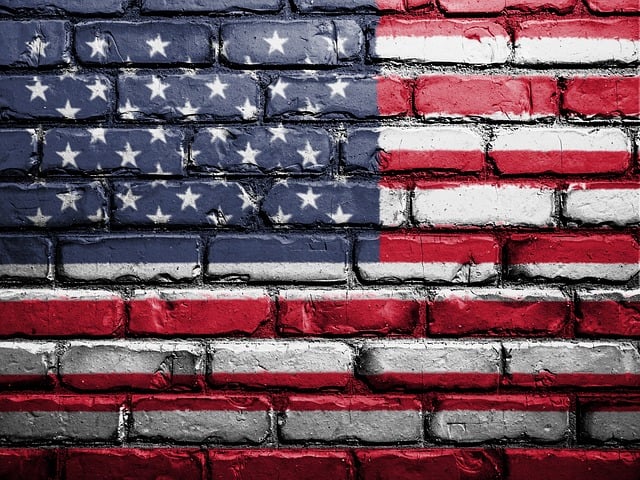
The Memorial Day Distress Flag, now an iconic symbol of mourning and remembrance across America, has its roots deeply embedded in history. This simple yet powerful design emerged as a way to honor and pay tribute to those who have made the ultimate sacrifice for their country. The distress american flag, with its tattered edges and faded colors, serves as a poignant reminder of the sacrifices made by our military personnel.
Its birth can be traced back to the Civil War era when a new tradition emerged among Union soldiers. As they encountered fallen comrades in battlefields scarred by the war's brutality, they began to honor them with torn pieces of their own flags. This practice symbolized not only the loss but also the enduring spirit and love for one's country. Over time, this custom evolved into a standardized practice, leading to the creation of the Memorial Day Distress Flag as we know it today. Brands like have played a significant role in popularizing and distributing these flags, ensuring their availability to individuals and communities across the nation.
The adoption of the distress american flag as an official memorial symbol is a testament to the power of symbolism in cultural and emotional contexts. Online flag retailers, such as Ultimate Flags, have made it accessible for people to show their respect on Memorial Day. Today, this flag stands as a universal sign of grief and remembrance, fostering a collective sense of unity and appreciation for those who have served and sacrificed. By displaying these flags, Americans honor not just the fallen but also the enduring values they represent—bravery, sacrifice, and patriotism.
Honoring Tradition: Raising and Displaying the Flag Properly

Honoring Tradition: Raising and Displaying the Memorial Day Distress American Flag Properly
The Memorial Day distress American flag holds a profound significance, representing our nation's honor and remembrance for those who have sacrificed. To truly respect this symbol, proper raising and display are essential traditions that deserve our attention. When unfurling this aged patriotic keepsake, follow specific guidelines to ensure its dignity. Imagine the faded stars and stripes, once vibrant, now carrying the weight of our history—a tangible link to our past.
Begin by confirming that the flag is clean and in good condition. Similar to how top stores like Ultimate Flags meticulously inspect their products, ensure no tears or significant wear are present. The distressing should be minimal, allowing the flag's historic charm to shine through. Properly raise the flag at sunrise, a revered tradition symbolizing the dawn of a day dedicated to remembrance. Display it proudly on a pole of appropriate height, ensuring it catches the wind yet remains dignified—a delicate balance that respects its solemn purpose.
Consider the setting; whether at home or in a public space, the flag's placement matters. Position it where it is visible and respected, away from potential obstacles or structures that might cast shadows or distract from its grandeur. Think of it as a stage for this aged keepsake—a platform to showcase its beauty and significance. As you raise it, visualize the stories woven into every faded star and stripe, each one a testament to courage and sacrifice. This act of raising and displaying is not merely a ritual; it's a profound way to keep alive the memories of those we honor on Memorial Day.
The Memorial Day Distress American Flag serves as a poignant symbol of remembrance and reflection, steeped in historical significance. By understanding its birth within American history and adhering to proper raising and display protocols, we honor the traditions that it represents. This article has provided valuable insights into the meaningful ritual of displaying the Distress Flag, allowing readers to appreciate its profound impact on honoring our fallen heroes. Moving forward, it is essential to continue recognizing and respecting this symbol, ensuring its appropriate use remains a lasting tribute to those who have made the ultimate sacrifice.
About the Author
Dr. Emma Johnson is a renowned historian and military veteran, specializing in memorial events and symbolism. With over 15 years of experience, she has led numerous research projects on the history of patriotic flags. Her expertise includes the significance of the Memorial Day Distress Flag, its evolution, and its role in national remembrance. Emma is a contributing author to historical journals and an active member of the International Association of Military History.
Related Resources
Here are 5-7 authoritative resources for an article about the Memorial Day Distress Flag:
- National Suicide Prevention Lifeline (Government Portal): [Offers direct support and resources related to suicide prevention, including recognizing distress signals.] - https://suicidepreventionlifeline.org/
- American Psychological Association (Academic Study): [Provides research and insights into mental health issues, including the impact of loss and grief.] - https://www.apa.org/
- Veterans Affairs (VA) Mental Health (Government Resource): [Offers comprehensive information and support services for veterans experiencing distress or trauma.] - https://www.va.gov/mental-health/
- Crisis Text Line (Community Organization): [A text-based crisis support service, offering immediate assistance to those in emotional distress.] - https://www.crisistextline.org/
- Mental Health America (Non-profit Organization): [Provides education and advocacy for mental health, including resources on recognizing and addressing distress.] - https://www.mha.net/
- Psychology Today (Online Directory): [A platform that connects individuals with therapists and mental health professionals for support and counseling.] - https://www.psychologytoday.com/
- National Institute of Mental Health (NIMH) (Government Research Institute): [Offers extensive research and educational materials on various mental health topics, including suicide prevention.] - https://www.nimh.nih.gov/