
The vintage distressed American flag combines historical significance and artistic appeal. Natural distressing techniques enhance its value for collectors, who prioritize authenticity and preservation. Careful handling and display methods are crucial to maintain these pieces' integrity. Legal considerations, outlined in the Flag Code, govern commercial use. Reproduction flags offer an alternative for easier enjoyment without extensive upkeep. By understanding both the history and care needs of vintage distressed American flags, collectors and homeowners can appropriately appreciate and preserve this symbolic Americana.
The vintage American flag, a symbol of our nation's history and heritage, has garnered significant interest among collectors and enthusiasts. However, the process of restoring and preserving these cherished artifacts presents a unique challenge—especially when it comes to the distress american flag naturally. The delicate balance between maintaining authenticity and enhancing their aesthetic appeal is a complex one. This article delves into the intricate world of vintage flag conservation, offering valuable insights and proven techniques to ensure these timeless treasures remain intact for future generations.
- Understanding Vintage American Flag History
- Materials & Construction Techniques
- Distressing Techniques for Authenticity
- Care & Preservation Tips
- Identifying Rare or Valued Varieties
- Legalities and Respectful Display Practices
Understanding Vintage American Flag History

The vintage American flag, often characterized by its distressed appearance, is more than just an aged patriotic keepsake—it's a tangible piece of history that tells stories of eras past. These flags, intentionally worn and frayed to look old, have become iconic symbols of Americana. The art of distressing a flag involves a meticulous process where each rip, stain, and fade is carefully considered to evoke a sense of nostalgia and patriotism. This trend has not only captivated collectors but also found its place in interior design, adding a unique character to homes across the nation.
For instance, vintage distressed flags from the early 20th century, when America was undergoing significant cultural shifts, can offer insights into the times they represent. Some flags may bear the scars of battles fought or celebrations held, reflecting the spirit and values of their era. Today, these aged pieces are sought after for their ability to transport viewers back in time. Many collectors prioritize authenticity, ensuring that each flag's history is verified, making them valuable treasures for display.
To incorporate a vintage distressed American flag into your space, consider its intended use—whether as a centerpiece on a wall or a table accent. Authentic flags, often made of cotton or linen, can be delicate and require specific care to preserve their vintage quality. Professional restoration is recommended when necessary to maintain the flag's integrity. Alternatively, reproduction flags with distressed finishes offer an accessible way to enjoy this aesthetic without the same level of upkeep. Ultimately, adding a vintage distressed flag to your collection or home decor contributes to preserving a slice of American history for future generations to appreciate.
Materials & Construction Techniques

The vintage American flag, with its distinct stars and stripes, holds a special place in history and culture. The materials and construction techniques employed in creating these timeless artifacts have evolved over time, reflecting changes in manufacturing methods and societal values. One notable aspect of these flags is the intentional distressing, which adds to their character and allure. Distressing, including faded stars and stripes, simulates age and wear, making each flag a unique piece of history.
Historically, American flags were crafted using a variety of materials, with cotton being a prevalent choice due to its durability and accessibility. The construction process involved meticulous sewing by hand or machine, ensuring precision in stitching the 13 stripes and 50 stars. Ancient techniques like double-seaming, where threads are doubled for reinforcement, enhanced the flag's longevity. Over time, as mass production methods became more sophisticated, materials shifted towards a blend of cotton and synthetic fibers, offering both durability and cost-effectiveness.
Natural distressing, often achieved through weathering or chemical treatments, is a key element in vintage flags' appeal. Faded stars and stripes, for instance, can result from exposure to sunlight, wind, and rain over years of use. Some antique damaged flags exhibit subtle tears, faded colors, and tattered edges, all contributing to their authentic vintage look. Collectors often seek these unique characteristics, making each distressed flag a prized possession that tells a story of its own. To replicate this effect in new flags, artisans employ careful techniques, allowing for controlled aging while preserving the integrity of the fabric.
Distressing Techniques for Authenticity
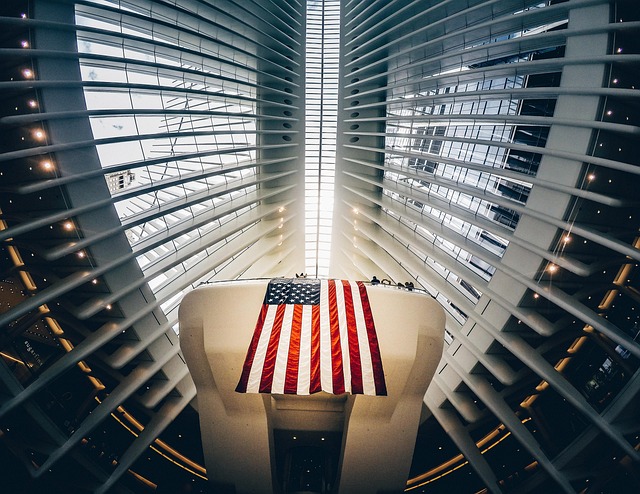
The art of distressing an American flag is a meticulous process that transforms a vibrant symbol into a timeless, aged patriotic keepsake. This technique has gained popularity among collectors and enthusiasts seeking to own unique pieces of Americana. By intentionally damaging and weathering the flag, it can resemble a vintage artifact from bygone eras, reflecting the rich history and heritage of the United States.
Distressing an American flag naturally involves various techniques such as fading, tearing, and staining. One popular method is to expose the flag to elements like sunlight and moisture over an extended period. This process mimics the effects of years spent flying outdoors, causing the colors to fade gently. Tearing along specific lines or strategically adding rips can create a worn appearance, enhancing its vintage allure. Staining with aged dyes or coffee can add depth and realism, turning the fabric into a captivating canvas of patina. Expert flag restorers often use heat treatments and special solutions to accelerate the aging process while maintaining the integrity of the material.
For those inspired by this craft, exploring websites similar to can offer a wealth of resources. These platforms provide an extensive collection of vintage Americana distress flags, allowing enthusiasts to study various techniques and styles. Whether aiming to restore an old flag or create a one-of-a-kind piece, understanding the art of distressing is paramount. By embracing these natural aging processes, American flag collectors can preserve history while creating distinctive, cherished keepsakes that tell stories of our nation's past.
Care & Preservation Tips
Caring for and preserving a vintage American flag is an art that requires a deep understanding of its delicate nature. These flags, often characterized by their distressed appearance, are cherished not only for their historical value but also as iconic symbols of retro Americana decor. To maintain their integrity, it's essential to follow specific care tips that ensure these flags remain vibrant and meaningful for future generations.
One of the key aspects in preserving a vintage American flag is controlling environmental factors. These flags should be stored or displayed in areas with consistent temperature and humidity levels. Extreme conditions can cause fabric degradation, so avoiding attics or basements—places prone to rapid temperature changes—is crucial. Using antique red, white, and blue decor pieces from online shops like Ultimate Flags for indoor displays can mitigate these risks, allowing you to enjoy the flag's aesthetic while keeping it safe from environmental damage.
Distressing techniques, intentionally applied or naturally occurring, are a hallmark of vintage flags. While some minor distressing is acceptable, extensive wear and tear can weaken the fabric. Regularly inspect your flag for signs of excessive fading, rips, or frayed edges. If necessary, gently mend tears using materials that match the original as closely as possible. It's also beneficial to clean the flag periodically with a soft brush to remove dirt and dust, ensuring its longevity. Incorporating retro Americana decor flags into themed rooms or displays allows for both preservation and appreciation of their unique character.
Over time, vintage flags may require professional restoration for significant damage. Reputable restorers use specialized techniques to revive the flag's original appearance while preserving its historical value. Lastly, always handle these flags with care, using gloves if possible, to minimize direct contact with the fabric, especially when cleaning or moving them. By following these preservation tips, you contribute to the continuation of a cherished piece of American history and culture in your collection.
Identifying Rare or Valued Varieties
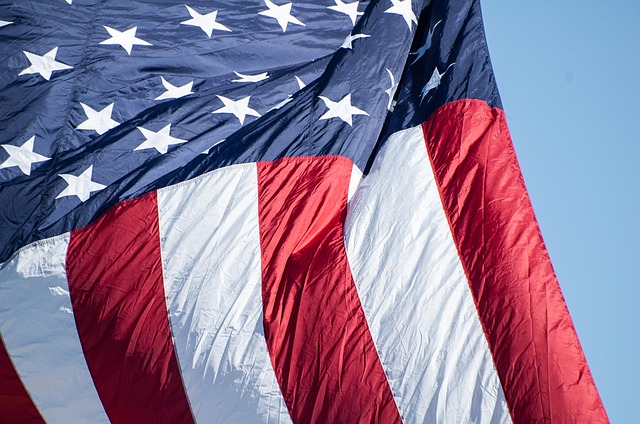
Vintage American flags hold a unique allure, their aged appearance and historical significance making them prized possessions for collectors and enthusiasts alike. Among these, identifying rare or valued varieties requires a keen eye for detail and an understanding of the flag's evolution. One distinctive characteristic is the natural distressing, where age has left its mark, creating a texture that ranges from subtle to dramatic. This process, often achieved through exposure to elements or deliberate manipulation, adds character and contributes to their appeal.
For instance, flags with faded colors and frayed edges, achieved through time and weathering, can be highly sought-after. The iconic red, white, and blue palette may show signs of age, with the blue turning a deeper, more muted shade, and the white developing a warm, yellowed cast. These distressed flag gifts make unique presents for history buffs or veterans, carrying a personal connection to the past. Online retailers like Ultimate Flags offer a range of aged flag prints, allowing collectors to curate their ideal vintage display.
Evaluating the rarity of a vintage American flag involves considering factors such as its age, condition, and historical significance. Older flags, particularly those from pivotal periods in history, can command higher prices. For example, flags used during World War II or earlier may exhibit more pronounced distressing due to prolonged exposure, making them valuable finds for collectors. Additionally, limited-edition flags or those associated with specific events can be rare gems, especially if they display distinctive design elements or unusual materials.
When considering a distressed American flag as an investment or decorative piece, it's essential to research its origin and history. Original flags from historical sites or events often hold greater value due to their significance. For instance, a flag that once flew over a pivotal battle site or was carried by a famous unit could be a game-changer for collectors. While aged prints are readily available, authentic antique flags, especially those in pristine condition, can fetch substantial prices at auctions and specialized sales events.
Legalities and Respectful Display Practices
The vintage American flag, often characterized by its distressed appearance with faded stars and stripes, holds a significant place in history and culture as a symbol of freedom and national heritage. However, displaying such flags comes with legal considerations and respectful practices that are essential to understand and follow. When it comes to owning or showcasing a vintage Americana memorabilia like a tattered history memorial, it's crucial to navigate the legalities surrounding these items to ensure their proper display and preservation.
In many jurisdictions, vintage American flags, especially those considered distressed or worn, fall under specific regulations regarding national symbols. These laws aim to protect the dignity and integrity of the flag as a sacred representation of a nation's history and values. As such, certain rules govern their production, sale, and display, particularly for commercial purposes. For instance, in the United States, the Flag Code (36 U.S.C. § 174) outlines guidelines for flag display, including the prohibition of using them for advertising or promotion without proper authorization. This legislation underscores the importance of respect and reverence when displaying vintage flags, especially those that have seen better days, often referred to as faded freedom keepers.
To ensure respectful practices, consider these expert recommendations: first, obtain legal clearance if you plan to sell or display vintage flags commercially. Second, authenticate the flag's origin and age to guarantee its historical value and integrity. Third, store and display them properly to prevent further damage; this includes keeping them away from direct sunlight and extreme temperatures. For instance, some collectors frame their distressed flags in UV-protective glass to preserve their colors and textures. Lastly, educate yourself and others about the flag's significance, as this deepens the appreciation for its historical value as a tattered history memorial. By adhering to these practices, vintage American flags can be cherished not just as objects of beauty but as meaningful keepers of our national narrative.
By exploring the history, materials, and various techniques, from construction to care, this article equips readers with a comprehensive understanding of vintage American flags. Mastering distressing methods allows for authentic restoration, enhancing their visual appeal while preserving historical integrity. Key takeaways include the importance of using appropriate materials, recognizing valuable varieties, and adhering to legal and respectful display practices. For those looking to deepen their knowledge, further exploration of rare flag types and their care can ensure these artifacts remain integral parts of our cultural tapestry. Distressing an American flag naturally is a delicate art, allowing us to honor the past while enhancing its beauty for future generations.